

Introduction
Business success rarely comes by chance—it’s the result of analysis, strategy, and adaptability. From banks navigating digital transformation to global companies redefining industries, case studies provide powerful insights into what works and what doesn’t.
In this article, we’ll explore Nigerian companies like Zenith Bank, Jumia, Dangote Group, and Indomie alongside global giants such as Starbucks, Apple, Tesla, and Amazon. Each case study will highlight strategies, challenges, and insights that entrepreneurs, managers, and analysts can apply to their own ventures.
1. Zenith Bank – Embracing Digital Transformation in Banking
Background:
Zenith Bank, one of Nigeria’s largest financial institutions, faced increasing competition from fintech startups like Paystack, Flutterwave, and Kuda. Customers were shifting from traditional banking halls to mobile-first solutions.
Challenge:
Traditional banks struggled with speed, convenience, and customer experience compared to agile fintechs. Zenith needed to modernize without losing its reputation for reliability.
Strategy:
- Invested heavily in digital banking infrastructure (apps, internet banking, USSD).
- Introduced AI-powered customer support chatbots.
- Partnered with tech companies for payment solutions.
- Adopted data analytics to understand customer spending patterns.
Result:
Zenith remained among the top three banks in Nigeria, maintaining customer trust while offering fintech-level innovation.
Insight:
Traditional companies that adopt digital tools early can stay competitive against disruptive startups.
2. Jumia vs. Shoprite – The Battle for Nigerian Retail
Background:
Nigeria’s retail sector is fast-growing but challenging due to infrastructure, logistics, and consumer habits. Jumia (e-commerce) and Shoprite (physical retail chain) both tried to capture the market.
Challenge:
- Shoprite: Faced high operating costs, currency fluctuations, and logistics bottlenecks.
- Jumia: Struggled with trust issues (delivery delays, fake products).
Strategy:
- Jumia introduced JumiaPay, cash on delivery, and partnerships with local SMEs.
- Shoprite failed to adapt quickly and exited Nigeria in 2020.
Result:
Jumia is still operational, though unprofitable, but continues innovating in payments and delivery. Shoprite’s exit showed the danger of failing to adapt to local realities.
Insight:
Retailers must localize strategies. What works abroad may fail in Africa without considering infrastructure and culture.
3. Dangote Refinery – Solving Africa’s Fuel Dependency
Background:
Nigeria is Africa’s top oil producer but spends billions importing refined fuel due to weak local refining capacity. Dangote Group decided to tackle this gap with the Dangote Refinery, one of the world’s largest industrial projects.
Challenge:
- Delays, financing hurdles, and government regulations.
- Criticism over monopoly risks.
Strategy:
- Invested over $20 billion in infrastructure.
- Built an integrated facility to refine oil and produce fertilizers.
- Positioned itself as a solution to national dependency.
Result:
When operational, the refinery is expected to save Nigeria $10 billion annually in fuel imports and make the country a net exporter of refined petroleum products.
Insight:
Businesses that solve national or global problems can create long-term value and influence entire economies.
4. Indomie – Cultural Integration in Consumer Products
Background:
Indomie (by Tolaram Group) entered Nigeria in the late 1980s when instant noodles were virtually unknown.
Challenge:
Convincing Nigerians to adopt noodles as a staple food in a rice-dominated culture.
Strategy:
- Aggressive marketing campaigns targeting children and families.
- Introduced localized flavors (Pepper Chicken, Onion Chicken).
- Built a massive distribution network.
Result:
Indomie is now a household name in Nigeria, creating a billion-dollar industry where none existed before.
Insight:
Cultural adaptation makes products not just accepted, but loved.
5. Starbucks – Global Expansion Through Localization
Background:
Starbucks is one of the world’s most successful coffee chains, but its success wasn’t just about selling coffee.
Challenge:
How to expand globally while staying relevant in markets with different cultures and tastes.
Strategy:
- Localized menus (e.g., Matcha in Japan, Chai in India).
- Focused on “the coffee experience” rather than just coffee.
- Invested in community-centered store designs.
Result:
Starbucks became a global brand while blending into local markets.
Insight:
Successful global brands balance standardization with localization.
6. Apple – Creating Ecosystem Loyalty
Background:
Apple is more than a phone maker—it’s a master of ecosystem lock-in.
Challenge:
Tech competition is fierce; how to ensure customer loyalty beyond one product?
Strategy:
- Seamlessly integrated hardware, software, and services (iPhone, Mac, iCloud, Apple Music).
- Focused on premium branding and status appeal.
Result:
Apple became the first $3 trillion company (2022), with a loyal customer base.
Insight:
Building an ecosystem creates repeat customers and long-term loyalty.
7. Tesla – Betting on the Future of Mobility
Background:
Tesla disrupted the automotive industry by focusing on electric vehicles when most companies ignored them.
Challenge:
High capital requirements, skepticism, and technological hurdles.
Strategy:
- Positioned EVs as luxury, desirable cars (not just eco-friendly).
- Built a charging infrastructure to support adoption.
- Constant innovation in battery technology.
Result:
Tesla became the world’s most valuable car company by market cap.
Insight:
Bold innovation can turn a risky bet into industry transformation.
8. Amazon – Automation and Customer Obsession
Background:
Amazon started as an online bookstore but grew into the world’s largest e-commerce and cloud company.
Challenge:
How to scale globally while keeping costs low and customers satisfied.
Strategy:
- Invested heavily in automation and robotics in warehouses.
- Created Prime membership to lock in customers.
- Expanded into cloud services (AWS), which now drives most profits.
Result:
Amazon dominates e-commerce and cloud computing, shaping global commerce.
Insight:
Companies that obsess over customer experience and invest in efficiency can scale without limits.
SEE ALSO:
Top 10 Lagos Business Ideas for 2025 With Low Capital
How to Access SME Funding in Nigeria 2025: Government, Banks, and Fintech Solutions
Inside the Rise of a Crypto Billionaire: From Pariah Status to Trump’s Financial Insider
To Round it Up
Across Nigeria and the global market, the lessons are clear:
- Digital transformation is no longer optional (Zenith Bank, Apple).
- Localization matters (Jumia, Starbucks, Indomie).
- Solving big problems creates big opportunities (Dangote, Tesla).
- Customer obsession builds loyalty (Amazon, Apple).
Whether you’re a small business owner in Lagos or a startup founder in Silicon Valley, these case studies prove that strategy, adaptability, and insight determine long-term success.
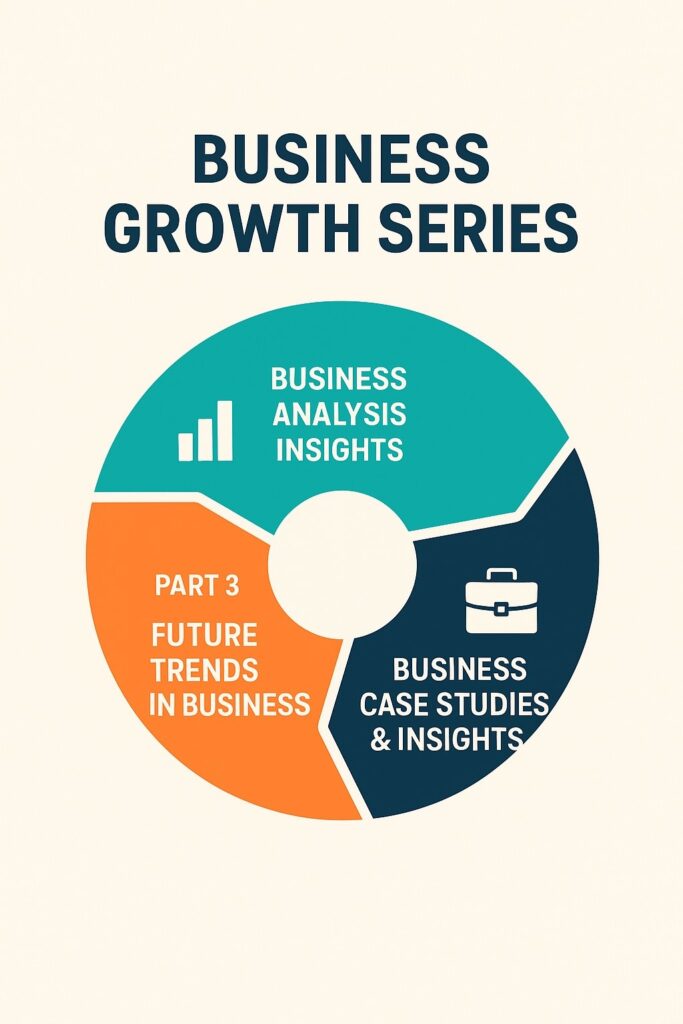
Curious about where business is heading next? Explore our guide on Future Trends in Business Case Studies.

Thanks for sharing. I read many of your blog posts, cool, your blog is very good.